Table of Contents
Bermuda Grass Lawn Care Guide for Healthy, Durable Yards
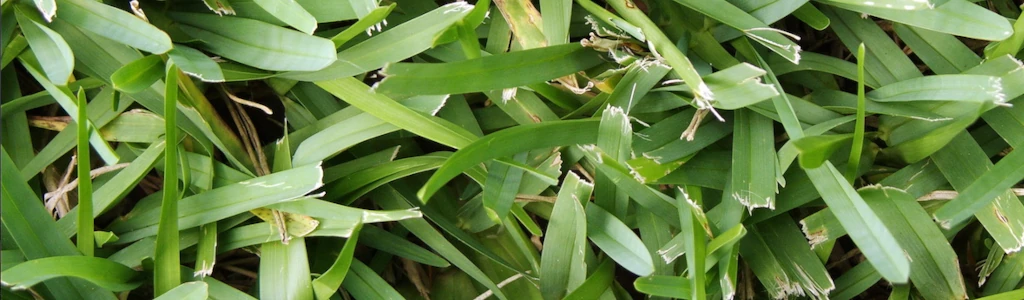
Bermuda grass is one of those lawn choices that rewards effort with thick, resilient growth that can handle heat, foot traffic, and long sunny days without losing its vibrant appeal. Homeowners often appreciate how quickly it spreads and fills bare spots, creating a dense carpet that discourages weeds and gives the yard a clean, uniform look. This warm season grass thrives in climates where summers are intense, and it doesn’t shy away from direct sunlight, making it a reliable option for southern lawns.
People may also know Bermuda grass by other names such as wiregrass, devil’s grass, or couch grass, and those names hint at its aggressive growth habits and toughness in less than perfect conditions. While that hardiness is a major advantage, it also means that keeping it controlled requires consistent maintenance and a bit of planning throughout the growing season. Once established, though, it becomes one of the most low maintenance turf options when compared to more delicate grass varieties.
Successful care starts with understanding its growth cycle and leaning into its strengths rather than fighting against them, which often leads to better results and less frustration over time. Bermuda grass enters its peak growth during warm months, so that is when fertilizing, mowing, and watering efforts should be most consistent and intentional. During cooler months, it may go dormant and turn brown, which is completely normal and not a sign of poor lawn health.
Watering, Mowing, and Seasonal Care Basics
Keeping Bermuda grass healthy requires a balanced approach to watering that avoids both drought stress and excessive moisture, since overwatering can encourage shallow root systems and increase vulnerability to disease. A deep and infrequent watering schedule usually works best, allowing the soil to dry slightly between sessions so roots are encouraged to grow deeper and stronger. This method not only improves drought resistance but also helps the lawn maintain a more stable and lush appearance during hot weather.
Mowing plays a critical role in shaping the look and density of Bermuda grass, and it responds well to frequent cutting at a relatively low height compared to many other turf types. Maintaining a consistent mowing schedule helps prevent thatch buildup and encourages lateral growth, which creates the thick, carpet like texture many homeowners are aiming for. Sharp mower blades are essential since dull edges can tear the grass and lead to a rough, uneven finish that weakens overall lawn health.
Seasonal adjustments also matter, especially as temperatures begin to shift and growth patterns slow down, which is when fertilization and mowing frequency should be reduced gradually. Applying fertilizer during peak growth supports strong color and resilience, but overdoing it can lead to excessive growth that becomes difficult to manage. Paying attention to soil health and occasional aeration will further support long term success by improving nutrient absorption and reducing compaction.
Managing Growth, Weeds, and Lawn Appearance
Bermuda grass is known for spreading quickly through both above ground runners and underground rhizomes, which makes it excellent for filling in gaps but also requires careful edge control to keep it from invading flower beds or neighboring spaces. Installing physical barriers or maintaining clear edging lines can help contain its growth while preserving the overall design of the yard. Consistent monitoring keeps small issues from turning into larger maintenance headaches later on.
Weed control becomes much easier once Bermuda grass establishes a dense canopy, since it naturally crowds out many unwanted plants that struggle to compete for sunlight and nutrients. However, early stage lawns may still need support through pre emergent treatments and occasional spot control to prevent weeds from gaining a foothold. A healthy lawn is always the best defense, so focusing on proper care routines often reduces the need for chemical interventions.
Appearance can be further enhanced by occasional dethatching and aeration, especially in lawns that see heavy use or have been growing for several seasons without deeper maintenance. These practices help maintain airflow and water penetration, which keeps the grass vigorous and reduces the risk of disease or thinning areas. Over time, these small efforts add up to a lawn that not only looks great but also performs well under daily use.
Why Bermuda Grass Matters in Neighborhood Lawn Care
Bermuda grass plays a surprisingly important role in shaping the overall look and feel of a neighborhood, since consistent, well maintained lawns create a sense of cohesion and care that extends beyond individual properties. When multiple homes use this durable grass type, it creates a unified visual texture that makes streets appear cleaner and more inviting to both residents and visitors. That shared aesthetic often contributes to stronger community pride and encourages homeowners to maintain their outdoor spaces more consistently.
Its durability also supports active neighborhoods where outdoor living is part of everyday life, since children, pets, and social gatherings can take place without quickly damaging the lawn surface. This resilience reduces the need for constant repairs and reseeding, which makes it easier for homeowners to keep their yards looking presentable throughout the year. As a result, neighborhoods with Bermuda grass lawns often maintain a polished appearance even during peak usage seasons.
There is also a practical benefit tied to property value and Curb Appeal, since well maintained lawns can influence how potential buyers perceive an area before even stepping inside a home. A thick, green Bermuda grass lawn signals care, stability, and attention to detail, which can subtly elevate the reputation of the entire neighborhood. Over time, that collective impact helps maintain desirability and fosters a more connected and visually appealing community environment.

Author: Erika Haraldsdóttir
Website Administrator